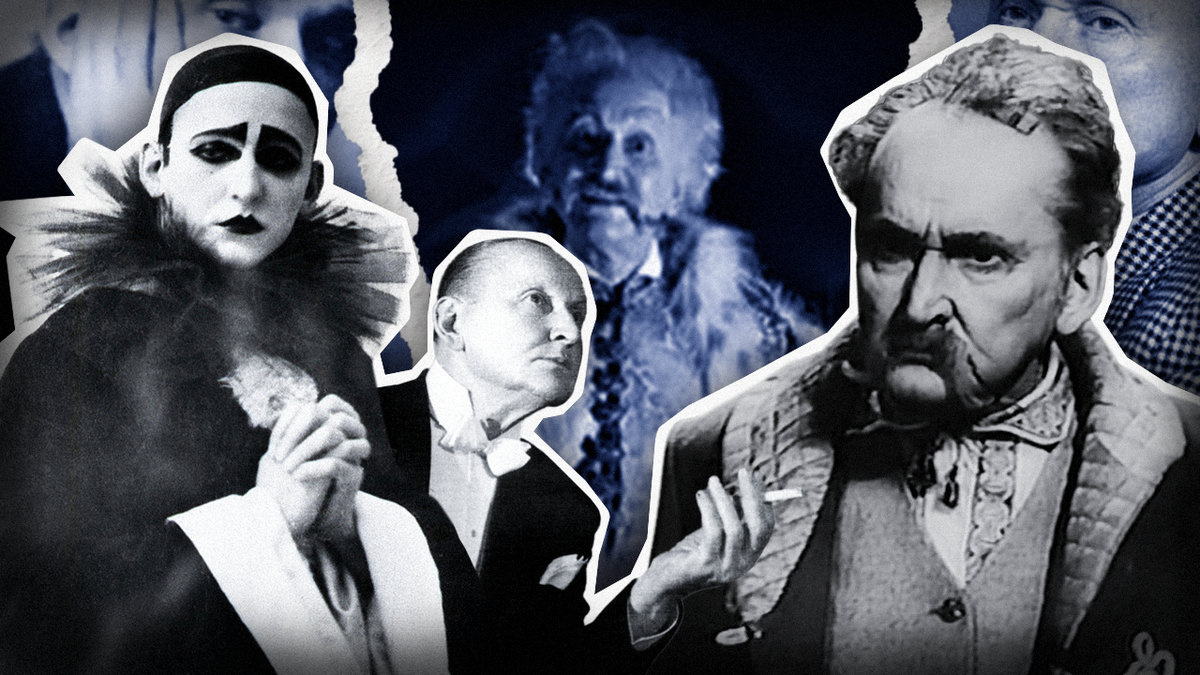
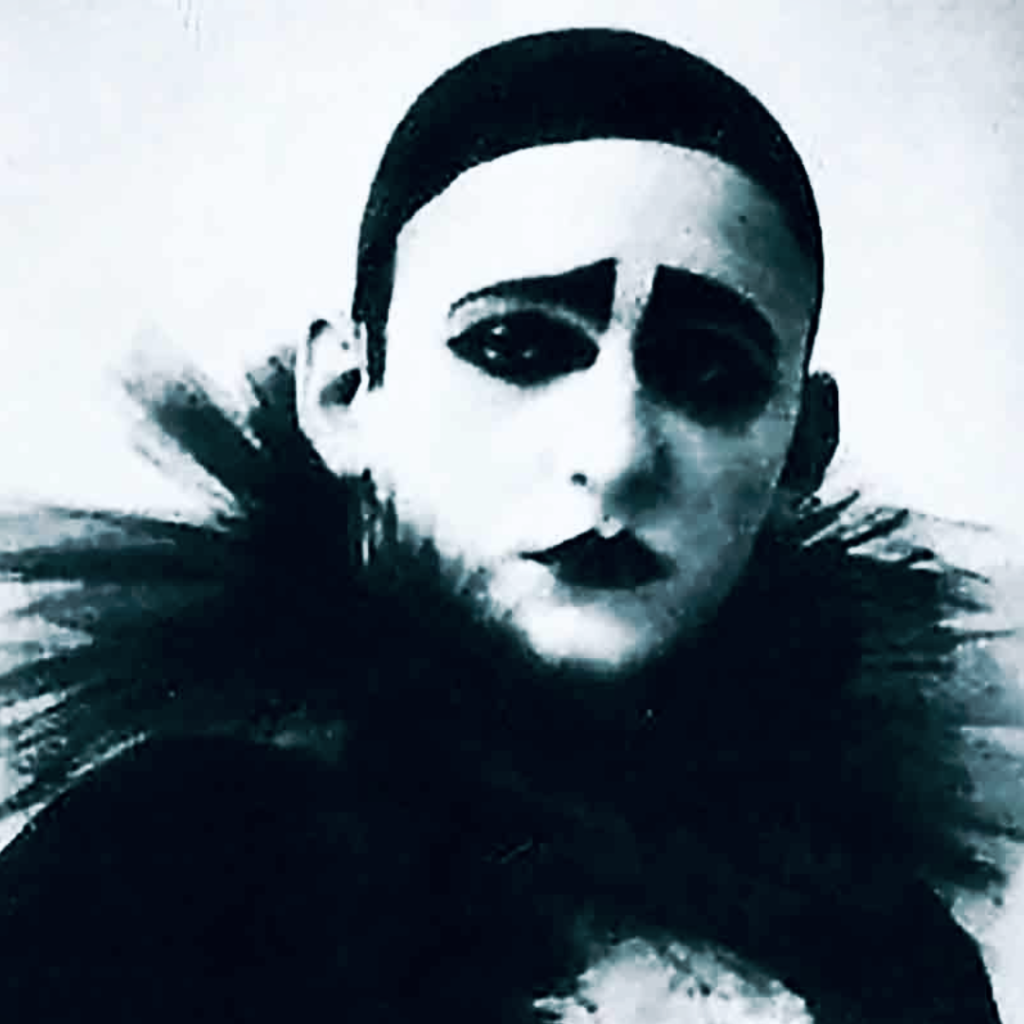
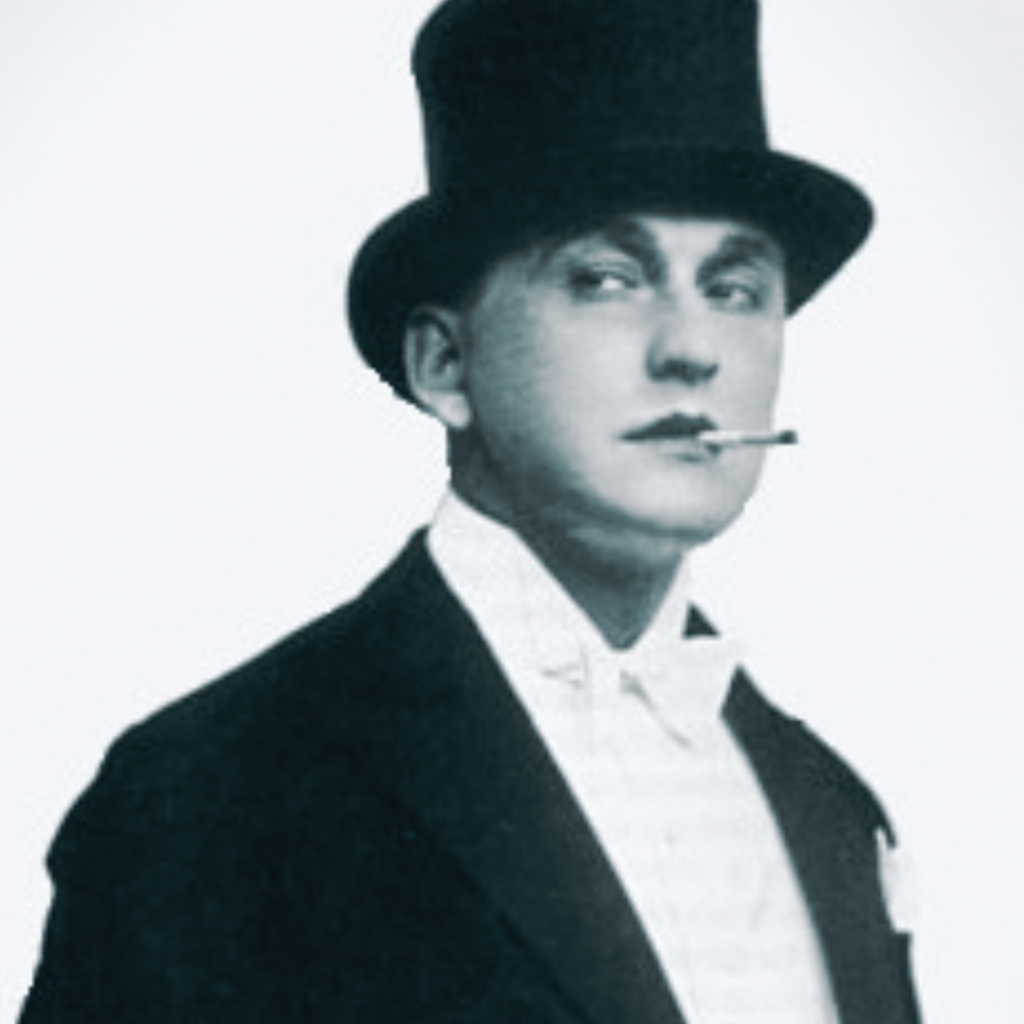
In the flickering gaslights of pre-revolutionary Moscow, a figure emerged from the bohemian haze: a pale, black-clad Pierrot with exaggerated makeup, his voice trembling like a held-back sob. This was Alexander Vertinsky – poet, singer, composer, actor – who turned personal tragedy into haunting art: miniature theatrical scenes in song, where irony, loneliness, and the decadent edges of urban life quietly unfold.
The Man Behind the Mask
Born Alexander Nikolayevich Vertinsky on March 21, 1889, in Kyiv (then Kiev, Russian Empire, now Ukraine), his life began like one of his own tragic ballads. An illegitimate son (his parents could not marry due to his father’s existing marriage), he was orphaned early: his mother died when he was three, his father soon after from grief. Raised by a strict aunt, young Alexander hustled on the streets – selling newspapers, ushering at theaters – before escaping to Moscow around 1913.
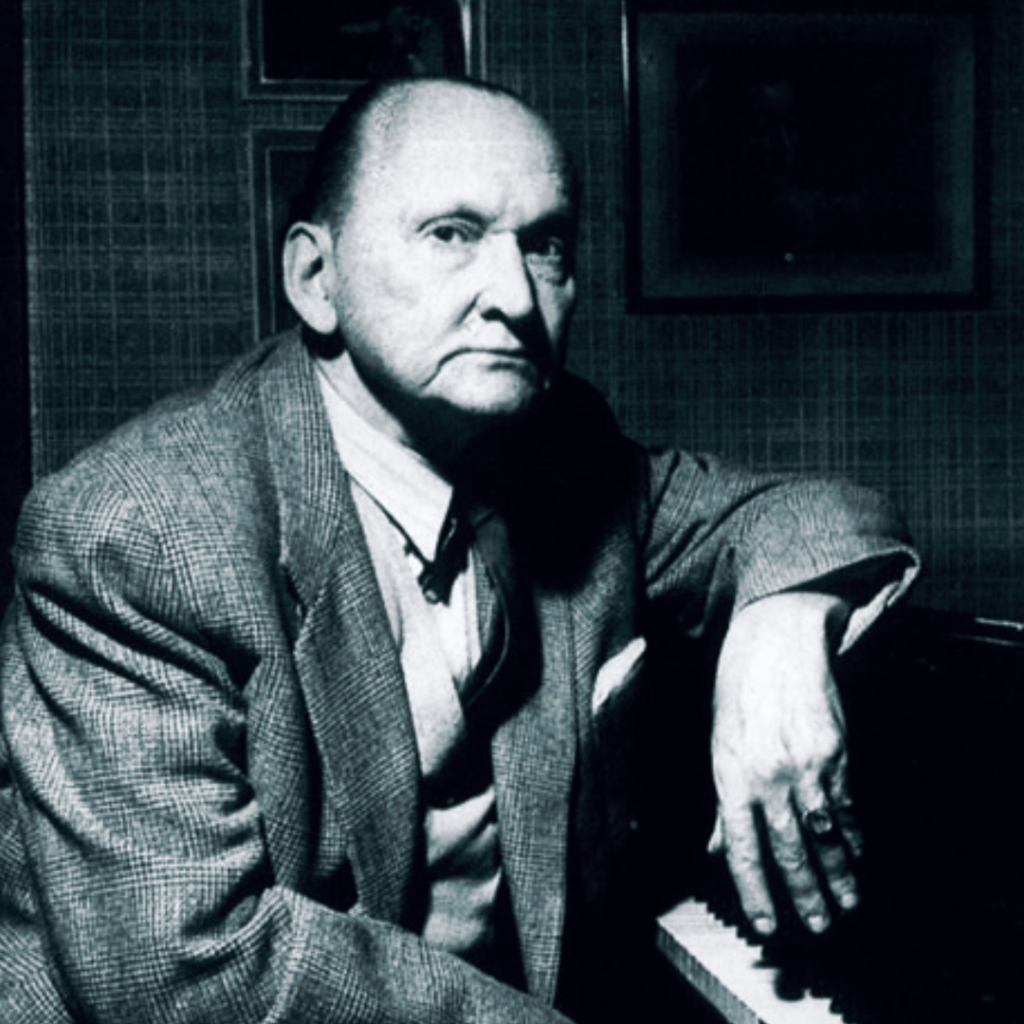
Кокаинетка (Cocainette, 1916)
There, in the decadent swirl of the Silver Age (Серебряный век), he found his voice. Briefly addicted to cocaine (a drug that had killed his sister and haunted Moscow’s youth), he transformed the pain into performance. Debuting as “Pierrot” in stark black-and-white makeup and costume, he sang ariettas – sentimental yet ironic tales of lost love, exotic despair, and city shadows. One early standout, born from his brush with addiction, was “Кокаинетка” (1916) – a poignant portrait of a fragile young woman “crucified by cocaine” on Moscow’s wet streets, blending brutal realism with tender pity.
Что Вы плачете здесь, одинокая глупая деточка
Кокаином распятая в мокрых бульварах Москвы?
Вашу тонкую шейку едва прикрывает горжеточка.
Облысевшая, мокрая вся и смешная, как Вы…

Why are you crying here, you lonely, foolish child,
Crucified by cocaine on Moscow's wet boulevards?
Your slender neck is barely covered by a gorget.
Bald, all wet, and ridiculous, just like you...
Full lyrics here, lyrics with translation here.
No known recording of Alexander Vertinsky himself performing “Кокаинетка” appears to have survived. The version included here is an early Latvian adaptation performed by Roberts Bars.
Exile: The End of an Era
The 1917 Revolution shattered Vertinsky’s world overnight. It ended not just his glittering cabaret career in Moscow, but also extinguished the decadent nightlife of the Silver Age that had nurtured his art. Though never deeply political, he sympathized with the Whites and fled Russia in 1920, beginning 23 years of wandering, from Constantinople to Paris (where he recorded prolifically in the 1920s–30s), Berlin, New York, and finally Shanghai. In 1942, at 53, he married 19-year-old Georgian actress Lidiya Tsirgvava; their daughters, Marianna and Anastasiya, would later become beloved Soviet film actresses.
23 years of wandering
Return and a Song for the Leader
Homesickness gnawed at him relentlessly. In 1943, Stalin – surprisingly and personally – invited him back to the USSR, granting citizenship and a return to a war-ravaged homeland. To express gratitude – and perhaps secure his place – Vertinsky wrote and performed “Он” (He), also known as “Песня о Сталине”, (Song about Stalin) in the postwar years: a lyrical tribute portraying Stalin as a weary, silver-haired figure who paid an immense personal price for victories like Sevastopol and Stalingrad – his graying hair and sleepless nights the very cost of those hard-won battles.
Песня о Сталине (Song about Stalin, 1945)
Чуть седой, как серебряный тополь,
Он стоит, принимая парад.
Сколько стоил ему Севастополь?
Сколько стоил ему Сталинград?

Slightly gray, like a silver poplar,
he stands, reviewing the parade.
How much did Sevastopol cost him?
How much did Stalingrad cost him?
Full lyrics here, lyrics with translation here.
Vertinsky’s Death and Legacy
Alexander Nikolayevich Vertinsky died on May 21, 1957, in Leningrad, aged 68, from acute heart failure – right after a final performance. Honored as a People’s Artist of the USSR, he influenced generations, from chansonniers like Vladimir Vysotsky and Bulat Okudzhava to countless modern interpreters. His 300+ songs preserve the Silver Age’s elegance amid turmoil, proving Russian art’s enduring resilience. Remarkable how much the times have changed – yet even more remarkable how his beauty endures, still speaking to us across the decades.
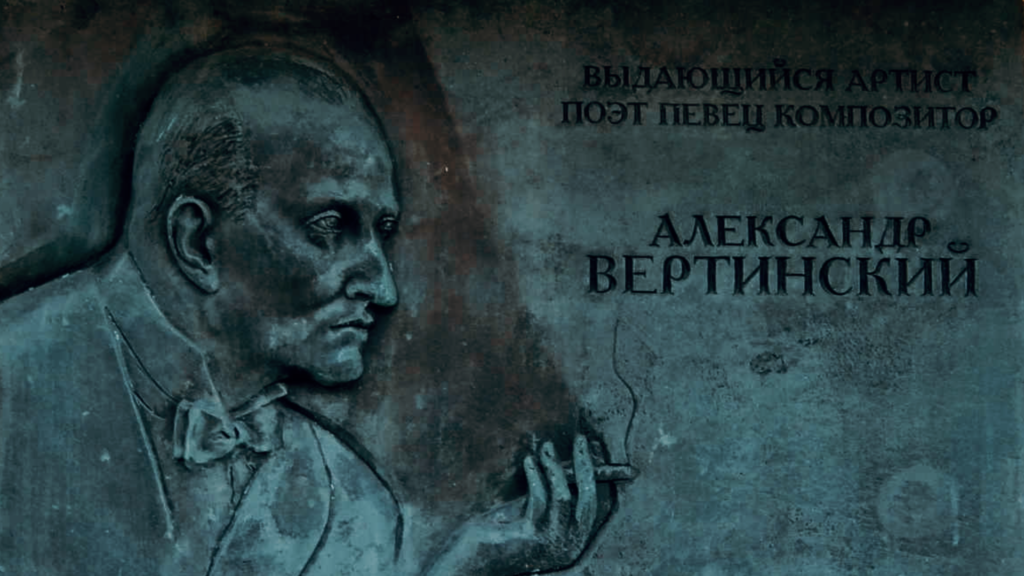
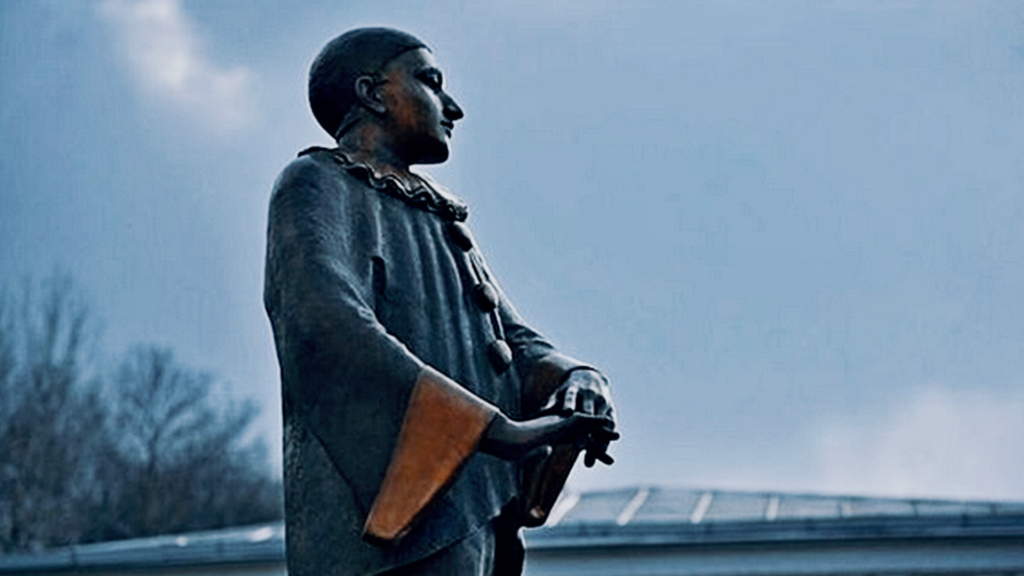
Где Вы теперь… (Where are you now, 1916)
Где Вы теперь? Кто Вам теперь целует пальцы?
Куда ушел Ваш китайченок Ли?
Вы, кажется, потом любили португальца,
А может быть с малайцем Вы ушли?

Where are you now? Who kisses your fingers now?
Where did your Chinese friend Li go?
I think you later loved a Portuguese man,
Or maybe you went off with a Malay?
Full lyrics here, lyrics with translation here. The song first appeared under the title Лиловый негр (Purple Negro).
Мадам, уже падают листья (Madam, the leaves are already falling) (mid-1930s)
Мадам, уже песни пропеты!
Мне нечего больше сказать!
В такое волшебное лето
Не надо так долго терзать!

Madam, the songs are already sung!
I have nothing more to say!
In such a magical summer,
No need to torment me for so long!
Full lyrics here, lyrics with translation here.
More Vertinsky Songs
You may also like
Ваши пальцы пахнут ладаном (Your fingers smell of incense, 1917)
Без женщин (Without women, 1917)
Только раз… (Just once, 1922)
Девочка с моря (Girl from the sea, 1926–1927)
В синем и далёком океане (In the blue and distant ocean, early 1930s)
Танго Магнолия (Tango Magnolia, 1931)
Темнеет дорога (The road is getting dark, 1932)
Дорогой длинною (Those Were the Days) was written by Boris Fomin and Konstantin Podrevsky around 1924; Vertinsky recorded and performed the song in 1926, and it became part of his repertoire. Sound restored 2026.
More in this playlist Aleksandr Vertinsky (78 tracks).
Alexander Vertinsky Biography
Learn more in the following sources:
Read
Oleksandr Vertynsky – Ukraine’s Prodigal Pierrot (Kyiv Post, 2023)
The life and love of Alexander Vertinsky (Pictolic)
Alexander Vertinsky: Biography of the artist (Salve Music)
Aleksandr Vertinskiy Biography (IMDb)
Prominent Russians: Aleksandr Vertinsky (RT Russiapedia)
Alexander Vertinsky (Wikipedia) / Александр Вертинский (Википедия)
Watch
Вертинский: бедность, воровство, наркотики и жажда славы (Закат Империи, 2025, 44 min)
Александр Вертинский: феномен русского Пьеро (Настя Балахнина, 2025, 15 min)
Александр Вертинский – краткая биография и интересные факты из жизни (Девушка с книгой, 2023, 25 min)
История жизни Александра Вертинского (Александра Маланина, 2021, 9 min)
Александр вертинский: рассказ про его яркую жизнь (Коллекция Заблуждений, 2020, 22 min)
Александр Вертинский. Легенды и факты (Canada Plus, 2020, 29 min)
Вертинский. Одинокий странни (Светлана Астрецова, 2020, 52 min)
Радзинский о Вертинском (Кирилл Лубнин, 2019, 18 min)
Александр Вертинский. Я вернулся домой. Документальный фильм (Телеканал Культура, 1990, 76 min)
Александр Вертинский. Документальный фильм Эльдара Рязанова (Киноклуб «Эльдар», 1998, 67 min)
More classical in the playlist Russian Classical by Music in Russian on Spotify. Songs covered here can also be found in this YouTube playlist, and in Music in Russian songs (Spotify).
Follow Music in Russian on Telegram, Facebook, X, YouTube.
© Music in Russian 2026